Tunnels & Trails
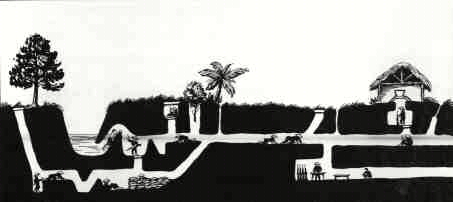
Viet Cong used trails and tunnels to store supplies and food. �The Ho Chi Minh trail was a well known trail used to transport Viet Cong supplies and other needs. Other trails that were well known in the Vietnam war was Cu Chi �Trails.
Ho Chi Minh Trail
This trail was a slow moving pipeline system of mountain and jungle paths. �North Vietnam used Ho Chi Minh trail to move troops and supplies into the south. �This trail was made out of old existing trails connected together. �Starting south of Hanoi the main trail went into eastern Cambodia and stopped somewhere west of Da Lat in South Vietnam. �Other parts branched to east Vietnam. �U.S tried numerous times to shut down the trail �but�failed with attempts of mass bombing. �The Ho Chi Minh trail stood �up surprisingly well.
Cu Chi Trails
The tunnels were first constructed in the late 1940s
by the Viet Minh: the improvised but effective response of a poorly equipped
peasant army to a high-tech enemy. During the Vietnam War, the tunnels enabled
isolated VC-controlled enclaves to communicate with each other, and allowed
the VC to mount surprise attacks and then disappear without a trace. US
frustration at their failure to destroy the tunnels resulted in widespread
carpet bombing, turning the area into what has been described as 'the most
bombed, shelled, gassed, defoliated and generally devastated area in the
history of warfare'.